Best Tournament Practices for New Competitors
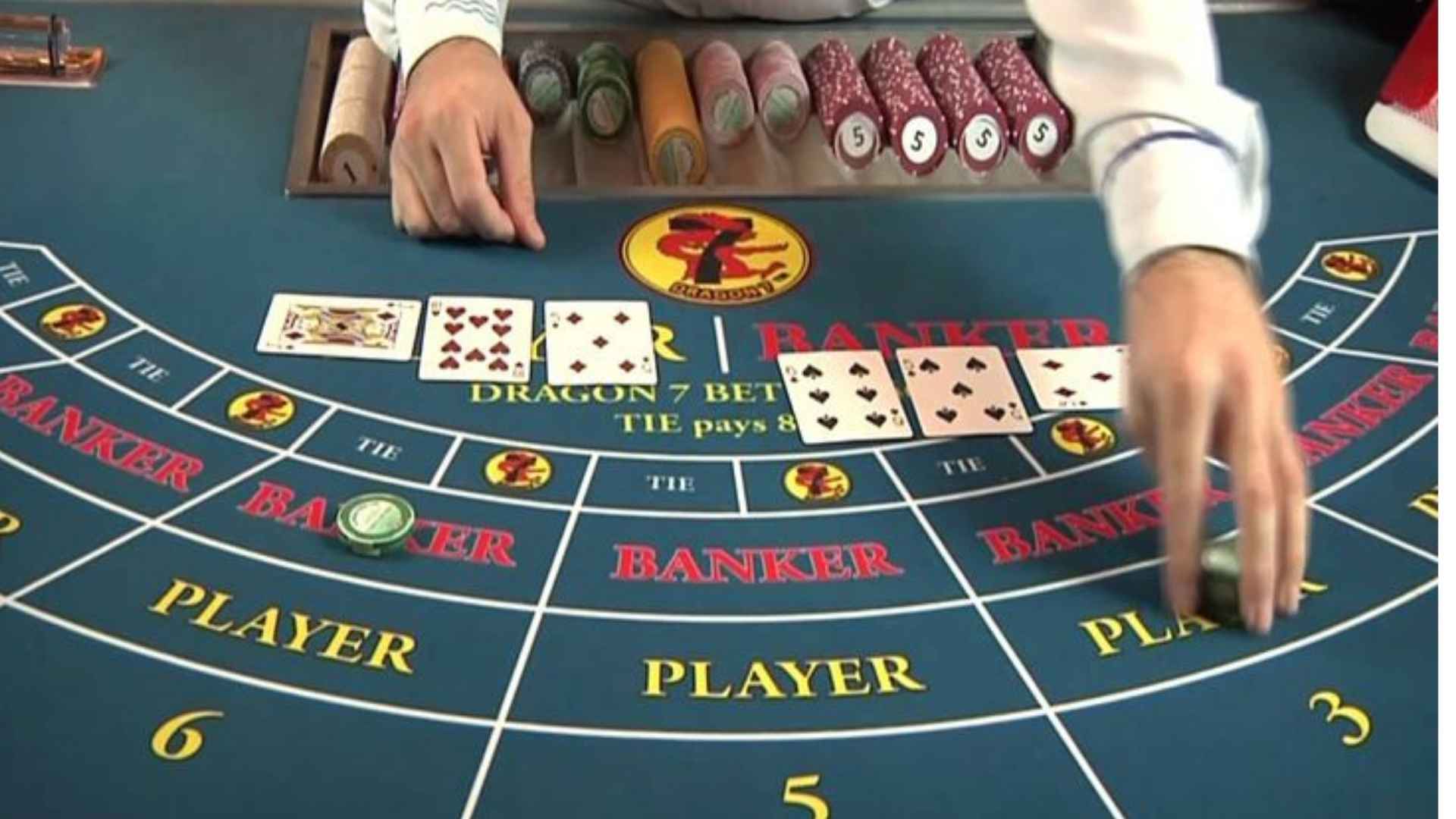
Stepping into the competitive tournament arena for the first time can be both an exhilarating and intimidating milestone for any aspiring player. While casual matches offer a relaxed space to learn basic rules, structured environments introduce unique pressures, strict formatting, and strategic adjustments that require careful preparation. Developing a solid foundation of pre-game habits and tactical awareness is essential to help you perform at your peak and transition smoothly from a hobbyist to a serious competitor.
Deconstruct the Tournament Rules and Format
Every organized competition runs on a precise set of regulations and tournament structures that dictate how matches proceed and how points are accumulated. New participants often make the mistake of assuming tournament rules mirror their casual home sessions, which can lead to unexpected penalties or early elimination. Taking the time to study elimination formats, point systems, and table etiquette beforehand ensures you remain in complete control during your matches.
Familiarizing yourself with diverse platforms and their specific guidelines can drastically reduce your learning curve and boost your overall confidence. For instance, exploring the structured environments provided by established portals like M88 indonesia can offer valuable insights into how official layouts and varying systems are managed globally. Adapting to these standard setups early on helps you minimize surprises and focus entirely on executing your strategic goals.
Establish a Consistent Pre-Match Routine
Success in highly competitive events is built on small, consistent routines repeated over time to optimize mental and physical readiness. Preparing your mind and body before the competition starts can reduce anxiety and keep your focus sharp when the pressure mounts. Simple habits such as visualizing success, setting a fixed warm-up schedule, and planning recovery intervals can make a remarkable difference in your stamina.
Consistency in your pre-match preparation also transforms your strategic thinking into second-nature actions on game day. Athletes and mind gamers alike perform better under tight time constraints when they adhere to a structured, repeatable ritual. Balancing your practice with scheduled rest ensures that your cognitive stamina does not decline during the final rounds of the tournament.
Master the Art of Strategic Risk Management
One of the most critical skills that separates beginners from seasoned experts is the ability to manage risk effectively in high-stakes moments. Casual play often rewards high-risk maneuvers, but multi-round tournaments demand steady consistency and calculated decision-making. Learning when to play aggressively and when to fold or play defensively is paramount to maintaining your position in the standings.
New competitors must learn to observe their opponents closely to decode patterns and anticipate moves before they occur on the board. Keeping track of discarded resources and evaluating the table with clinical patience prevents simple but costly errors from ruining your progress. By prioritizing long-term survival over individual round victories, you set yourself up for sustained tournament success.