Poker Bluffing Guide For Smarter Competitive Success
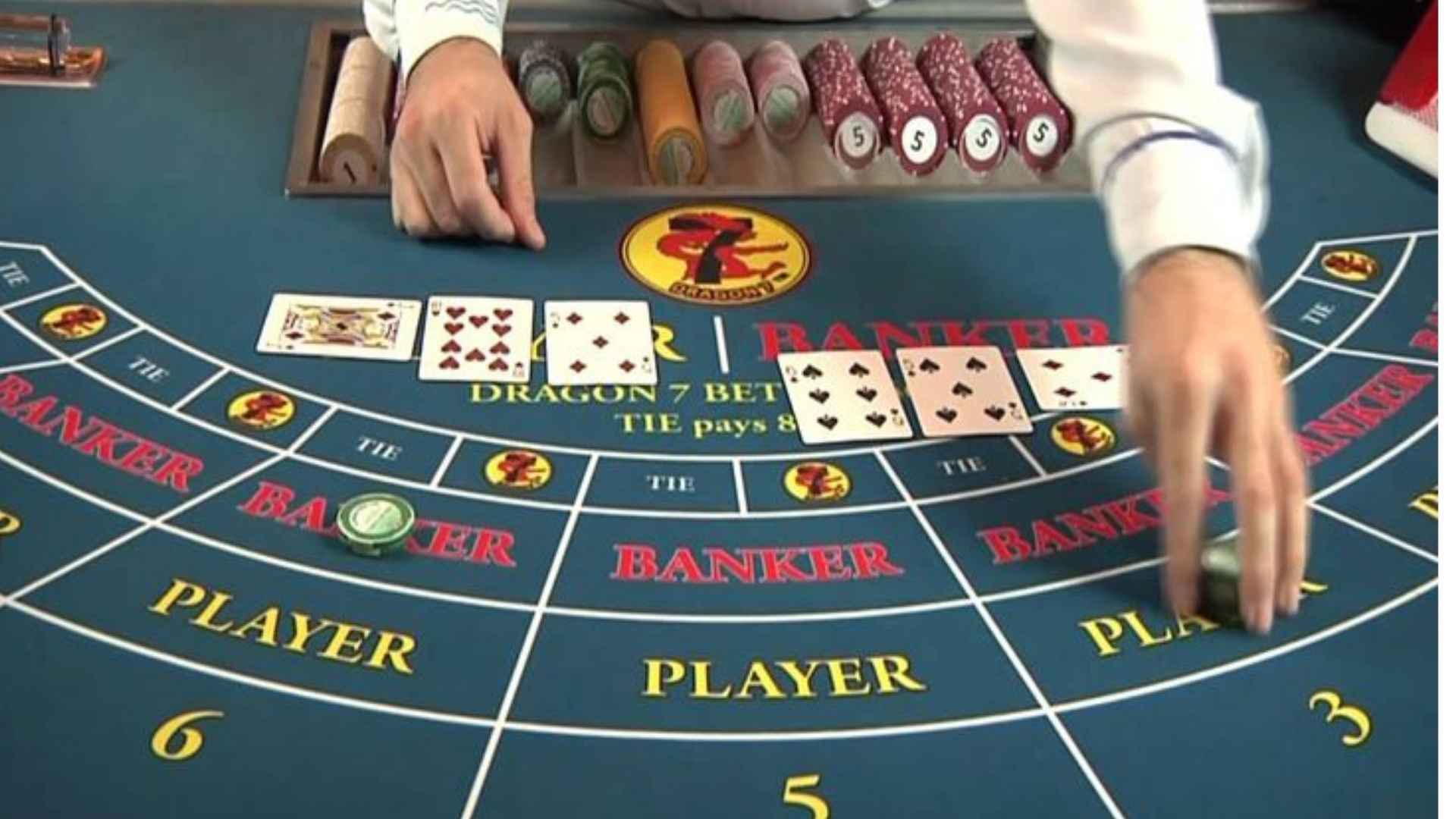
Mastering the modern card matrix requires a calculated balance between actual card value and tactical theatrical execution. Competitive players often realize that waiting for premium starting hands is rarely enough to guarantee consistent victory in long tournaments or high-stakes cash games. Developing a sophisticated framework for well-timed deception allows analytical players to dominate table dynamics and secure higher profitability.
Evaluating Your Current Table Image
Your existing reputation among other participants determines whether your strategic narrative will be accepted or changed at the table. If you have played conservatively for an extended duration, your sudden aggressive actions will carry immense psychological weight. Managing this perceived image effectively provides a solid foundation for your overall competitive longevity.
Conversely, a highly erratic table presence can reduce the success rate of your standard deceptive plays, forcing you to shift towards purely value-oriented betting strategies. Understanding how your opponents categorize your behavior allows you to accurately predict their countermoves. Players can find additional analytical resources on platforms like M88 indonesia to elevate their positional awareness and strategic depth.
The Core Mechanics of Tactical Timing
Choosing the exact street to deploy a strong representation of strength alters how your rivals assess their own relative hand equity. A multi-street story is inherently more believable than a single, desperate bet thrown into the pot on the river. Strategic competitors systematically evaluate board textures before committing a significant portion of their available capital.
Furthermore, the presence of potential draw combinations on the community cards heavily influences the mathematical viability of your action. Executing a move when scare cards appear on later streets forces conservative rivals into difficult decision-making scenarios. Patience remains the defining characteristic of elite strategists who refuse to rush their plays.
Analyzing Individual Rival Tendencies
Gathering comprehensive behavioral data on your opponents is critical before attempting any advanced psychological plays. Identifying tight-passive individuals who fold easily under sustained pressure gives you highly profitable targets during complex rounds. These specific profiles are the ideal candidates for high-intensity positional pressure.
On the other hand, highly aggressive or loose competitors require a complete adjustment of your standard tactical approach. Attempting complex deceptions against individuals who refuse to fold their cards is mathematically counterproductive. Adapting your style dynamically based on the specific habits of your current opponents ensures long-term victory.
Balancing Mathematical Odds and Risk
Every advanced tactical play must be anchored in precise pot odds and realistic range distributions rather than emotional impulse. Successful players avoid high-risk theatrical actions that lack an underlying mathematical justification or a clear backup plan. Ensuring that the potential reward justifies the financial risk is a hallmark of smarter competitive success.
Incorporating balanced semi-bluffs provides an excellent strategic safety net because it gives you multiple independent paths to winning the pot. This dual-threat method allows you to win immediately by forcing folds or later by hitting your active card draws. Melding deep mathematical principles with sharp observational skills turns casual players into formidable table experts.